

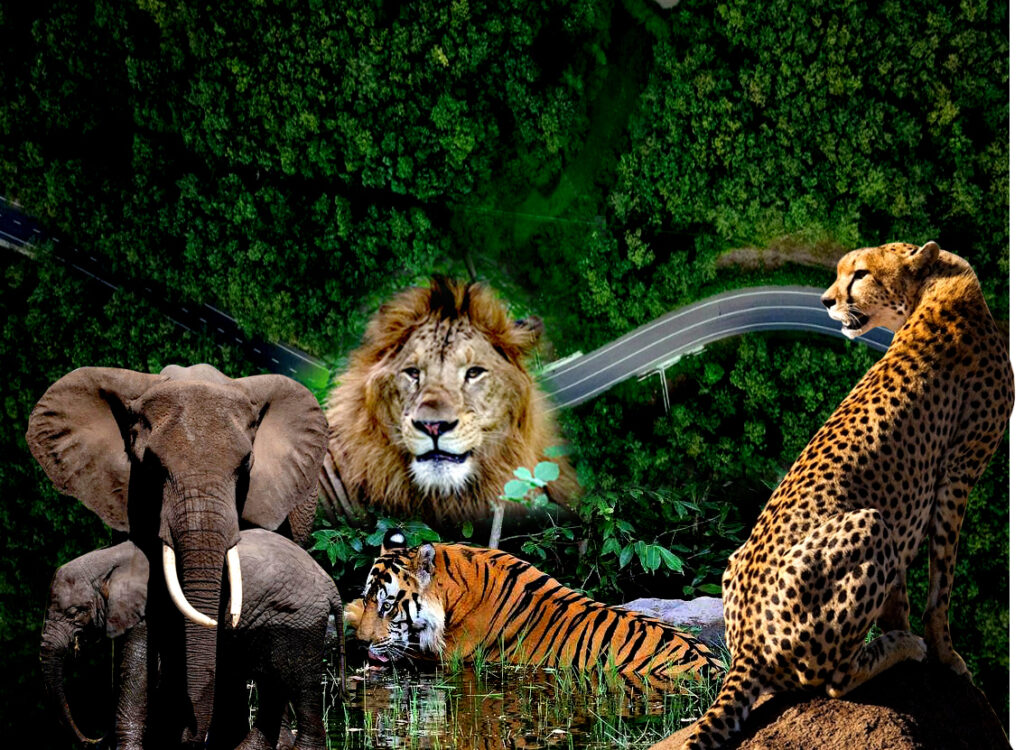
Wildlife embodies the essence of untamed beauty and ecological diversity that thrives beyond the human realm. From the depths of dense rainforests to the vast expanses of savannas and the icy domains of the Arctic, the world of wildlife captivates and educates us about the wonders of nature. In this exploration, we delve into the intricate web of life that defines wildlife, celebrating its diversity, challenges, and significance in our interconnected planet.
Diversity of Habitats
Wildlife inhabits every corner of our planet, adapting to a myriad of habitats ranging from lush tropical rainforests to harsh desert landscapes. Each habitat presents unique challenges and opportunities for survival, shaping the evolution of species over millions of years. For instance, the Amazon rainforest teems with an astonishing array of species, from vibrantly colored macaws and elusive jaguars to tiny tree frogs and towering trees that form the canopy.
In contrast, the Arctic tundra hosts iconic wildlife such as polar bears, Arctic foxes, and migrating caribou, adapted to extreme cold and long periods of darkness. These diverse habitats are not just homes for wildlife but also play crucial roles in regulating global climate patterns, purifying air and water, and supporting the livelihoods of human communities around the world.
Ecological Interconnections
Wildlife is intricately interconnected within ecosystems, where each species plays a vital role in maintaining balance and resilience. Predators regulate prey populations, preventing overgrazing and maintaining plant diversity. Pollinators like bees and butterflies facilitate the reproduction of flowering plants, ensuring food security for countless species, including humans. The intricate web of interactions among species—from the microscopic bacteria in soil to apex predators—demonstrates the complexity and resilience of natural systems.
For example, the reintroduction of gray wolves into Yellowstone National Park in the United States sparked a trophic cascade, where the presence of wolves led to changes in the behavior of elk, which in turn affected the growth of vegetation and the behavior of other wildlife species. Such examples highlight the profound impact that wildlife can have on entire ecosystems and the importance of conserving biodiversity for future generations.
Conservation Challenges
Despite the intrinsic value and ecological importance of wildlife, many species face threats to their survival due to human activities such as habitat destruction, poaching, climate change, and pollution. The loss of habitat fragments populations, making wildlife more vulnerable to extinction. Illegal wildlife trade drives species like rhinos and elephants to the brink, while climate change alters habitats faster than species can adapt.
Efforts to conserve wildlife range from protected areas and wildlife corridors to international agreements aimed at curbing illegal trade and promoting sustainable practices. Conservationists work tirelessly to monitor and protect endangered species, employing innovative techniques such as satellite tracking and community-based conservation initiatives to mitigate human-wildlife conflict and promote coexistence.
Iconic Species and Conservation Success Stories
Certain charismatic species serve as ambassadors for wildlife conservation, capturing public attention and rallying support for broader conservation efforts. Species like the giant panda, whose decline sparked global conservation initiatives in China, have seen populations stabilize and increase thanks to concerted conservation efforts and habitat restoration.
Similarly, success stories abound in marine conservation, where initiatives to protect coral reefs and marine sanctuaries have contributed to the recovery of threatened species like sea turtles and sharks. The designation of protected areas and the implementation of sustainable fishing practices have demonstrated that with commitment and collaboration, it is possible to reverse the decline of species and restore balance to ecosystems.
Wildlife and Human Well-being
Beyond ecological benefits, wildlife enriches human well-being in profound ways. Ecotourism provides economic opportunities for local communities while promoting conservation awareness and appreciation for natural landscapes. The joy of observing wildlife in its natural habitat—from the majesty of a breaching whale to the grace of a hunting cheetah—inspires awe and fosters connections with nature that are essential for mental and physical health.
Furthermore, many indigenous cultures around the world have deep spiritual and cultural connections to wildlife, viewing certain species as kin or guardians of ancestral lands. Traditional knowledge systems passed down through generations offer valuable insights into sustainable practices and the importance of respecting nature’s rhythms.
The Role of Technology and Citizen Science
Advancements in technology, such as remote sensing and DNA analysis, are revolutionizing wildlife conservation by providing new tools for monitoring populations, tracking migration patterns, and detecting illegal activities. Satellite imagery allows researchers to map habitat changes in real time, while camera traps provide glimpses into the secretive lives of nocturnal animals.
Citizen science initiatives engage volunteers in wildlife monitoring and data collection, empowering communities to contribute to conservation efforts locally and globally. Projects like eBird and iNaturalist harness the collective power of citizen scientists to document biodiversity and inform conservation priorities.
Looking Ahead: Challenges and Opportunities
As we navigate the complexities of the 21st century, the future of wildlife hinges on our collective actions to address pressing conservation challenges and embrace opportunities for sustainable coexistence. Climate change poses unprecedented threats to wildlife habitats and migration patterns, requiring ambitious global efforts to mitigate greenhouse gas emissions and promote climate-resilient landscapes.
Furthermore, the illegal wildlife trade continues to decimate populations of endangered species, necessitating strengthened law enforcement, international cooperation, and public awareness campaigns to reduce demand and protect wildlife from exploitation.
Conclusion
In conclusion, wildlife represents the heartbeat of our planet—a testament to resilience, adaptability, and the interconnectedness of all living things. From the lush jungles of the Amazon to the icy expanses of Antarctica, each species contributes to the rich tapestry of life on Earth, enriching ecosystems and inspiring wonder in those who seek to understand and protect them.
As stewards of this remarkable planet, it is our responsibility to safeguard wildlife for future generations, ensuring that they inherit a world teeming with biodiversity and natural beauty. Through conservation efforts, scientific innovation, and collective action, we can forge a sustainable future where wildlife thrives alongside humanity, embodying the spirit of resilience and harmony that defines our shared journey on Earth.
